


Intro post:
In today’s fast-paced digital world, branding has become much more than a logo or a color palette. Customers now connect with brands based on trust, values, experiences, and consistency. As competition continues to grow across industries, businesses must adopt a strategic approach to branding to remain relevant and memorable.
Whether you’re launching a startup, scaling an established business, or rebranding your company, understanding modern branding principles can help you build stronger customer relationships and long-term business growth. For many businesses, partnering with a professional Branding Agency in Pune can provide the expertise needed to create a powerful and lasting brand presence.

What is Strategic Branding?
Strategic branding is the process of intentionally shaping how customers perceive your business. It involves defining your brand’s purpose, positioning, personality, visual identity, and communication style to create a consistent experience across all touchpoints.
A successful brand answers important questions:
- Who are we?
- What makes us different?
- What value do we offer customers?
- Why should customers trust us?
When these elements align, businesses can build stronger recognition and customer loyalty.
Why Branding Matters More Than Ever in 2026
Consumer behavior continues to evolve. Customers are no longer choosing brands solely based on price or product features. They are looking for authenticity, transparency, and meaningful experiences.
Strong branding helps businesses:
- Build credibility and trust
- Stand out from competitors
- Create emotional connections with customers
- Increase customer retention
- Support premium pricing
- Improve marketing effectiveness
In competitive markets, a well-defined brand often becomes one of the most valuable business assets.
The Key Components of a Strong Brand Strategy
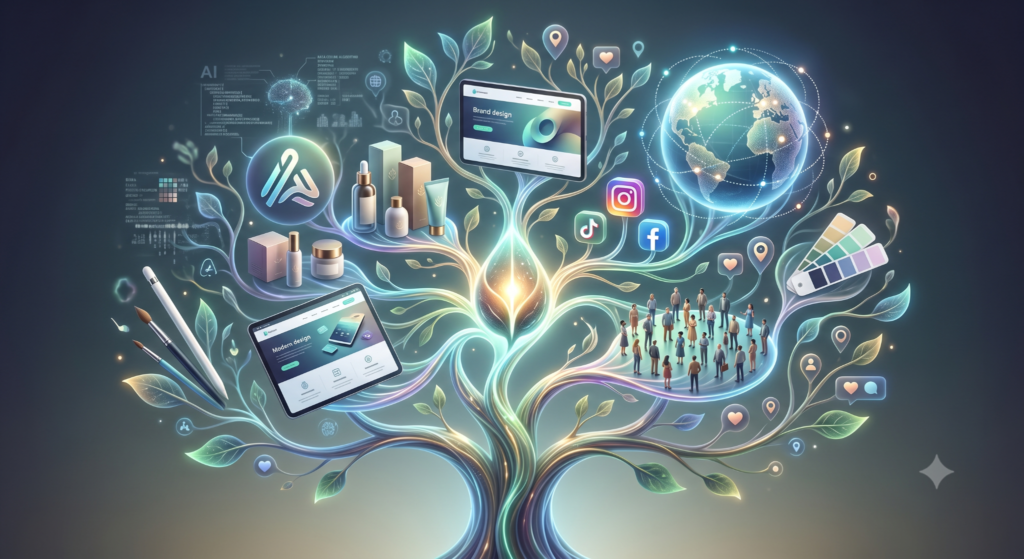
1. Brand Purpose
Your purpose explains why your business exists beyond making a profit. It reflects the impact you want to create for customers and society.
Purpose-driven brands often develop deeper customer relationships because people connect with businesses that share their values.
2. Brand Positioning
Brand positioning defines how your company is perceived in comparison to competitors.
Ask yourself:
- What unique value do we offer?
- Who is our ideal customer?
- What problem do we solve better than others?
A clear positioning strategy helps customers understand exactly why they should choose your brand.
3. Visual Identity
Visual identity includes your logo, typography, colors, imagery, and design style. These elements work together to create a recognizable and professional appearance.
Effective brand identity design ensures consistency across websites, social media platforms, packaging, advertisements, and marketing materials.
4. Brand Voice
Your brand voice reflects how you communicate with your audience. Whether professional, friendly, authoritative, or innovative, consistency is essential.
Customers should experience the same tone and personality across every channel.
Branding Trends Shaping 2026
AI-Powered Personalization
Artificial intelligence is transforming how businesses engage with customers. Brands can now deliver personalized experiences, content recommendations, and customer support at scale.
However, personalization should always feel helpful rather than intrusive.
Authentic Storytelling
Consumers are increasingly drawn to genuine stories rather than traditional sales messages. Sharing your company’s journey, customer success stories, and behind-the-scenes content can help humanize your brand.
Community Building
Brands are investing more in building communities rather than simply growing audiences. Creating spaces where customers can engage, share feedback, and connect with one another fosters long-term loyalty.
Sustainability and Responsibility
Environmental and social responsibility continue to influence purchasing decisions. Businesses that demonstrate genuine commitment to sustainability often gain stronger customer trust and brand advocacy.
The Role of Brand Identity in Business Growth
A strong visual identity creates a memorable first impression and supports long-term brand recognition. From your website to social media profiles and product packaging, every visual element contributes to customer perception.
Professional brand identity design ensures consistency across all marketing channels, helping businesses appear more trustworthy and established.
Many growing companies choose to work with a Branding Company in Pune to develop a cohesive identity that reflects their values and business goals while appealing to their target audience.
Common Branding Mistakes to Avoid
Even businesses with excellent products can struggle if their branding lacks clarity or consistency.
Some common mistakes include:
Inconsistent Messaging
Using different messages across platforms can confuse customers and weaken trust.
Copying Competitors
While competitor research is important, successful brands focus on differentiation rather than imitation.
Ignoring Customer Feedback
Your audience plays a major role in shaping brand perception. Regular feedback can provide valuable insights for improvement.
Focusing Only on Visuals
Branding extends far beyond logos and design. Customer experience, communication, service quality, and company culture all influence how your brand is perceived.
How to Measure Branding Success
Branding results are not always immediate, but they can be measured through several indicators:
- Brand awareness
- Website traffic
- Social media engagement
- Customer retention rates
- Referral traffic
- Branded search volume
- Customer reviews and testimonials
Tracking these metrics helps businesses understand how their brand is performing and where improvements may be needed.
Looking Ahead: The Future of Branding
As technology continues to evolve, successful brands will focus on balancing innovation with authenticity. AI, automation, and personalization will play a larger role in customer engagement, but human connection will remain essential.
Businesses that prioritize trust, consistency, and customer experience will be best positioned for long-term success. Strategic branding is no longer optional—it is a critical investment that influences every stage of the customer journey.
Conclusion
Strategic branding in 2026 is about creating meaningful experiences that resonate with customers and differentiate your business in a crowded marketplace. From defining your purpose and positioning to developing a strong visual identity and embracing emerging trends, every aspect of branding contributes to long-term growth.
Whether you’re building a new brand or refining an existing one, investing in a clear and consistent strategy can help you attract the right audience, strengthen customer loyalty, and create lasting business value. Working with an experienced branding partner can further ensure your brand remains relevant, memorable, and ready for the future.

