


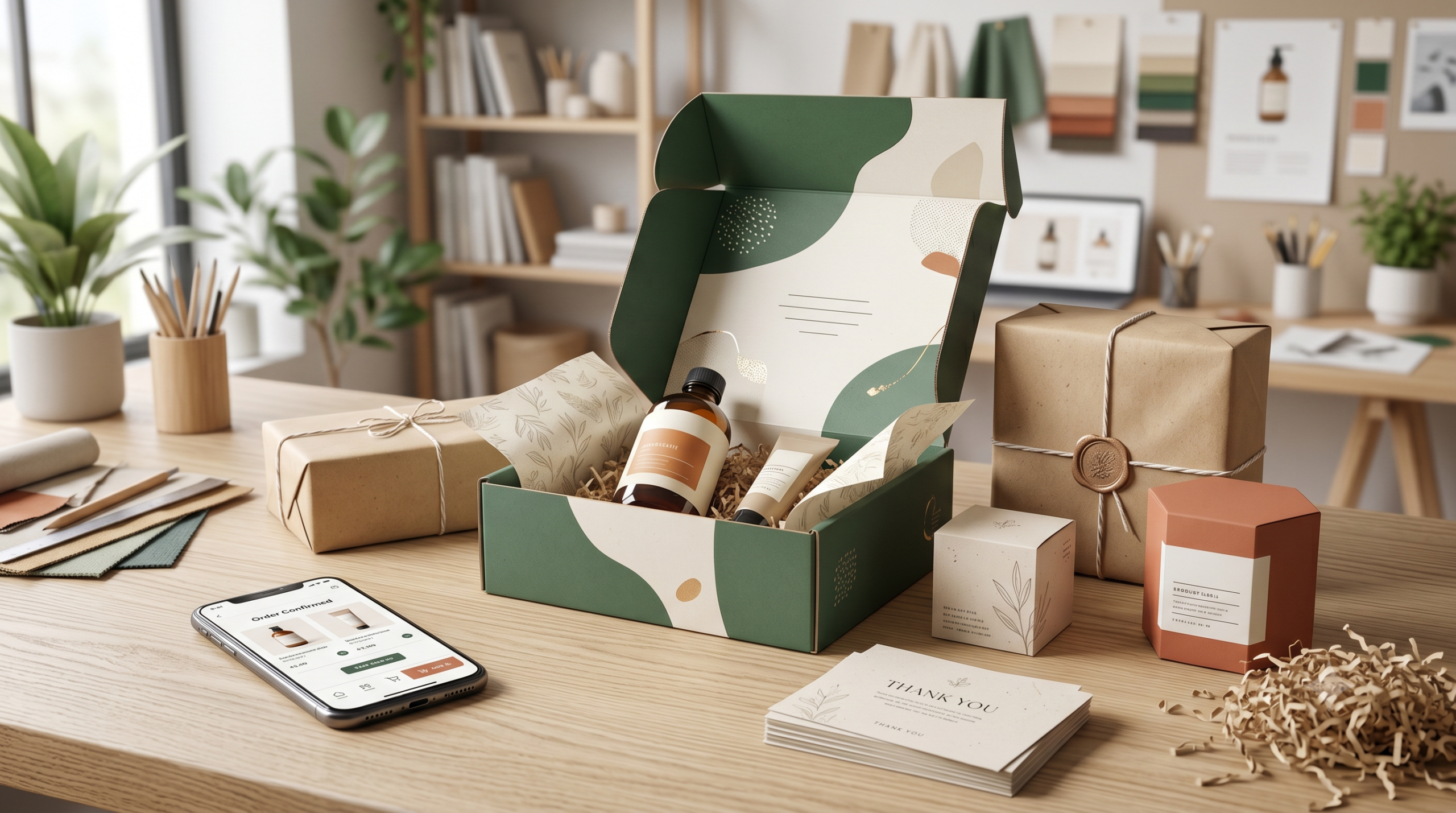
Intro post:
In today’s highly competitive direct-to-consumer (D2C) marketplace, packaging has evolved beyond its traditional role of protecting products during transit. It has become a powerful branding tool that directly influences customer perception, purchasing decisions, and brand loyalty.
For D2C brands, packaging is often the first physical interaction customers have with a product. A well-designed package can create a memorable unboxing experience, strengthen brand identity, and encourage repeat purchases. On the other hand, poor packaging can negatively impact customer satisfaction and damage a brand’s reputation.
At Graphicc, we provide STRATEGIC BRANDING AND CREATIVE DESIGN SOLUTIONS that help D2C brands create packaging that not only protects products but also delivers exceptional customer experiences.
Why Packaging Design Matters for D2C Brands
Unlike traditional retail brands that rely on shelf visibility, D2C brands primarily interact with customers through digital channels. This means packaging becomes a critical touchpoint that bridges the gap between online shopping and physical product experience.
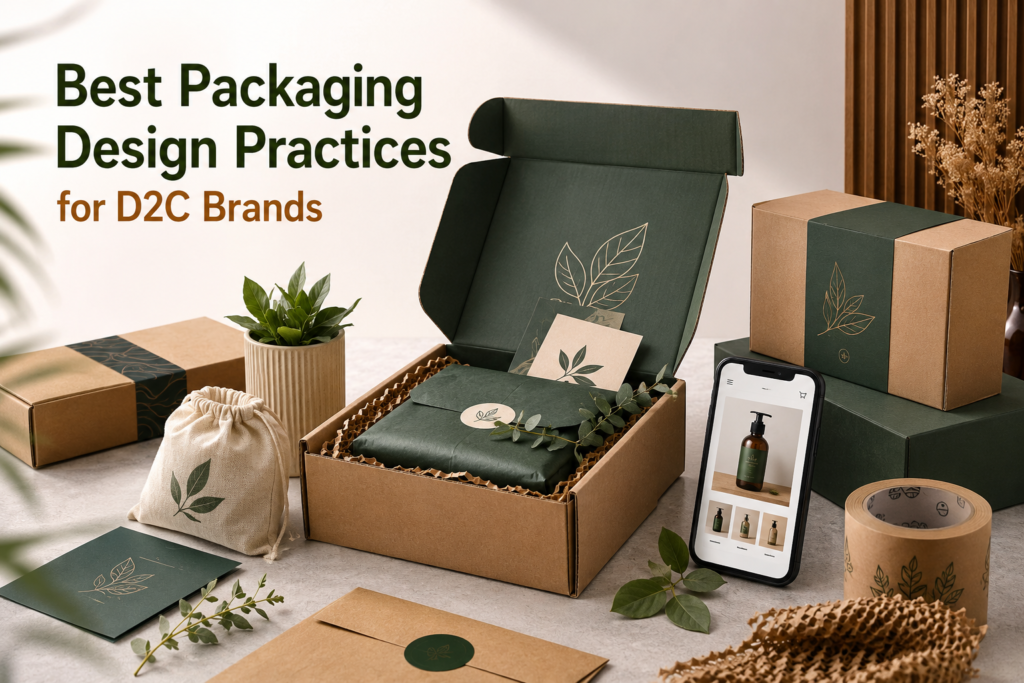
Effective packaging helps D2C brands:
- Enhance brand recognition
- Improve customer satisfaction
- Increase perceived product value
- Encourage social sharing
- Reduce product damage during shipping
- Build customer loyalty
In a market where customer experience plays a major role in purchasing decisions, investing in thoughtful packaging design is no longer optional.
Understand Your Target Audience
One of the most important packaging design practices is understanding your audience.
Before designing packaging, ask:
- Who are your customers?
- What are their preferences?
- What values do they care about?
- What kind of experience do they expect?
For example, eco-conscious consumers may appreciate sustainable packaging, while premium customers may expect luxury finishes and high-quality materials.
Understanding your audience helps create packaging that resonates with customers and strengthens brand connections.
Prioritize Brand Consistency
Your packaging should be an extension of your brand identity.
Elements such as:
- Logo
- Color palette
- Typography
- Visual style
- Brand messaging
should remain consistent across packaging, websites, social media platforms, and marketing materials.
Consistency builds familiarity and helps customers instantly recognize your products.
Businesses looking to create a cohesive brand experience can benefit from professional STRATEGIC BRANDING SERVICES that align packaging design with overall brand strategy.
Create a Memorable Unboxing Experience
The unboxing experience has become a major factor in D2C marketing success.
Customers frequently share their purchases on social media platforms, making packaging an opportunity for organic brand promotion.
Ways to improve unboxing experiences include:
- Personalized thank-you notes
- Premium packaging materials
- Branded inserts
- Product education cards
- Custom tissue paper
- Attractive interior packaging
A memorable unboxing experience creates excitement and encourages customers to engage with your brand beyond the initial purchase.
Focus on Functional Packaging
Beautiful packaging should never compromise functionality.
Your packaging should:
- Protect products during shipping
- Be easy to open
- Prevent damage
- Minimize returns
- Support product safety
D2C brands often ship products directly to customers, making durability and protection essential.
Balancing aesthetics with functionality ensures a positive customer experience while reducing operational costs.
Embrace Sustainable Packaging Solutions
Sustainability continues to influence purchasing decisions across industries.
Consumers increasingly prefer brands that demonstrate environmental responsibility through:
- Recyclable materials
- Biodegradable packaging
- Reduced plastic usage
- Minimal packaging waste
- Eco-friendly inks
Sustainable packaging not only benefits the environment but also improves brand perception and customer trust.
Many successful D2C brands are using sustainability as a competitive advantage while reducing their environmental impact.
Optimize Packaging for Shipping Efficiency
Shipping costs significantly impact D2C profitability.
Effective packaging design should:
- Reduce unnecessary weight
- Minimize package dimensions
- Improve storage efficiency
- Lower transportation costs
Compact and efficient packaging can help brands improve margins while maintaining product protection.
Smart packaging design considers both customer experience and operational efficiency.
Use Packaging to Tell Your Brand Story
Packaging is one of the most effective storytelling tools available to D2C brands.
Your packaging can communicate:
- Brand mission
- Company values
- Product benefits
- Brand personality
- Customer promises
Storytelling helps customers develop emotional connections with your brand and creates a more memorable experience.
Brands that communicate their story effectively often enjoy stronger customer loyalty and increased brand advocacy.
Leverage Packaging for Customer Engagement
Packaging can be used to encourage ongoing customer interaction.
Consider adding:
- QR codes
- Loyalty program information
- Social media handles
- Product usage guides
- Referral incentives
These elements help extend the customer journey beyond the purchase and create opportunities for future engagement.
Common Packaging Design Mistakes to Avoid
Ignoring Brand Identity
Packaging that doesn’t align with your overall brand can create confusion and weaken recognition.
Overcomplicated Designs
Too much information or excessive design elements can overwhelm customers.
Poor Material Selection
Using low-quality materials can reduce perceived value and negatively impact customer satisfaction.
Neglecting Customer Experience
Packaging should be designed with the end user in mind, prioritizing convenience and functionality.
Failing to Test Packaging
Testing helps identify issues related to durability, usability, and customer perception before products reach consumers.
To better understand how branding influences customer loyalty and business growth, explore the BENEFITS OF STRATEGIC BRANDING FOR BUSINESS GROWTH and discover how branding and packaging work together to create memorable customer experiences.
Packaging Design Trends for D2C Brands in 2026
Several trends are shaping the future of D2C packaging:
Minimalist Design
Clean and simple packaging continues to appeal to modern consumers.
Personalized Packaging
Customized experiences help brands stand out and strengthen customer relationships.
Smart Packaging
QR codes, NFC technology, and interactive packaging experiences are becoming more common.
Sustainable Innovation
Brands are investing in environmentally friendly materials and sustainable production methods.
Premium Unboxing Experiences
Customers increasingly expect packaging that feels valuable and share-worthy.
Businesses that embrace these trends can create stronger brand experiences and maintain a competitive advantage.
Conclusion
Packaging is much more than a protective container for products. For D2C brands, it serves as a critical branding tool that influences customer perception, enhances the unboxing experience, and drives long-term loyalty.
By focusing on audience needs, brand consistency, functionality, sustainability, and customer engagement, businesses can create packaging that supports growth and strengthens brand identity.
Implementing these best packaging design practices can help D2C brands improve customer satisfaction, increase brand recognition, and achieve long-term success in an increasingly competitive marketplace.
Contact Us
Ready to create packaging that elevates your brand and enhances customer experiences? Our team specializes in packaging design, branding, and creative solutions tailored to modern D2C businesses. CONTACT OUR BRANDING EXPERTS TODAY to discuss your packaging goals and discover how we can help your products stand out in the market.

